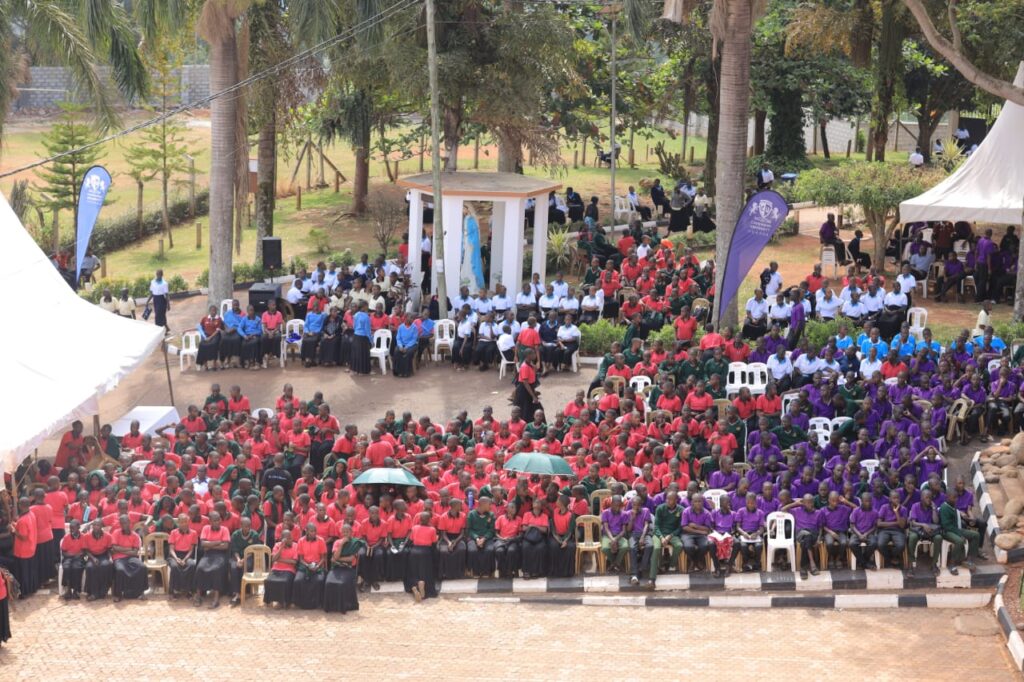
On Sunday the 12th of July 2026, the grounds of St. Mary’s College Lugazi came alive with the kind of energy that only young people bursting with ideas can create. Students had gathered from across the school for the much awaited Inter School Project Competition, an event built around one simple belief, that the next generation is capable of solving real problems if it is given the room to try. What unfolded over the course of the day was part science fair, part cultural celebration, and part changing of the guard, and by the time it ended everyone in attendance understood why the school treats this competition as one of its biggest moments of the year.
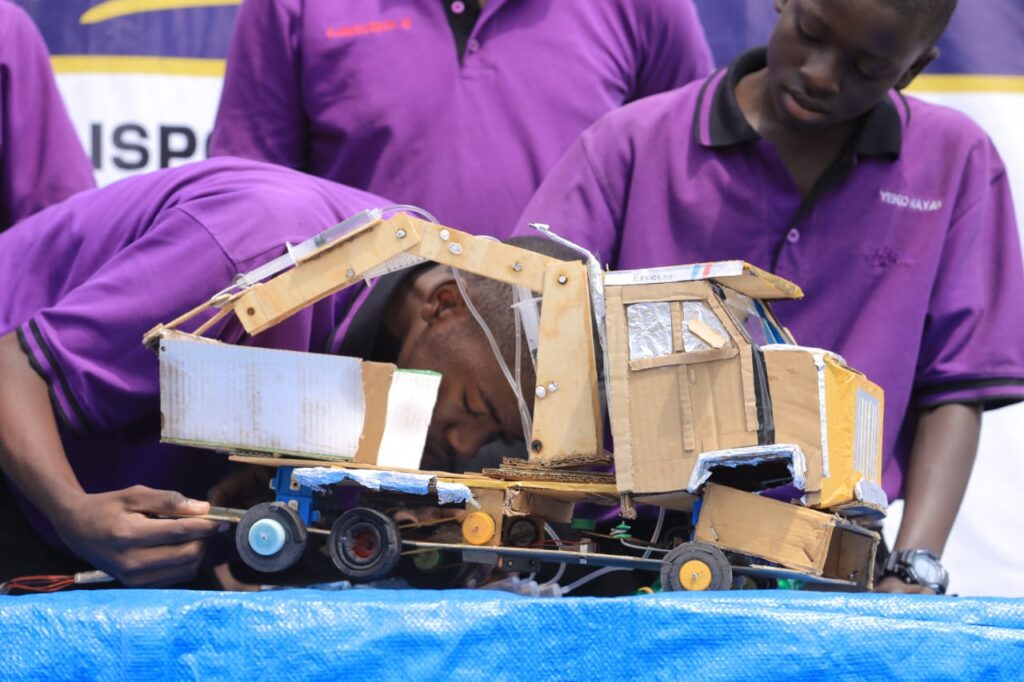
Things got underway at around 11:30 in the morning when the panel of judges arrived, led by Mr. Nkologi Blair and Maisa. From the moment they stepped onto the grounds you could feel the mood shift. Students stood proudly beside their projects, some fidgeting with last minute adjustments, others simply waiting for their turn to explain what they had built and why it mattered. The range of work on display was genuinely impressive. A student named Tukei presented a biodigester designed to turn organic waste into clean, renewable energy. Nearby, Muwanguzi Isaac and Waluya Abbey showed off drones they had built almost entirely from recycled plastic and plywood, machines meant to strengthen security while also making a quiet statement about environmental conservation. A short distance away, Wimmer Keren had built a kaleidoscope that played with light, colour and pattern to create images that stopped people in their tracks. There were also custom formulated hand sanitisers on display, a reminder that even something as ordinary as everyday hygiene can become a lesson in applied biochemistry when you look at it closely enough. Faced with so many strong entries, the judges had their work cut out for them as they moved from table to table trying to whittle the field down to the ten projects that would advance.
Once the first round of judging wrapped up, the school wisely decided to give everyone a breather from the academic intensity. As one voice at the event put it, innovation isn’t only about technology, it is also about celebrating who we are and finding room for that identity in everything we create. That spirit came through immediately when the senior one students opened the cultural segment with a lively performance of the Raka raka dance, delivered with the kind of energy that pulled even the most tired onlookers to their feet. Guests then broke for lunch, a welcome pause before the second half of the day, and when everyone returned the momentum picked right back up with vibrant performances of Nyerere and Kinyarwanda traditional dances.
With the cultural interlude behind them, the stakes rose sharply. Students returned to their stations to make their final pitches, presenting their projects once more as the judges worked to complete their scoring and settle on the top ten. Once those evaluations were finished, the event shifted into something more solemn and symbolic, a leadership handover ceremony in which the outgoing student heads formally passed their responsibilities on to the newly elected leadership. It marked the quiet start of a new chapter for student led innovation at the school, one that will presumably be shaped by many of the same young minds who spent the day presenting their projects. The formality of the moment did not last long though, as a spectacular Kisoga dance performance followed almost immediately, and an elegant modelling runway show kept the crowd thoroughly entertained as anticipation built toward the results.
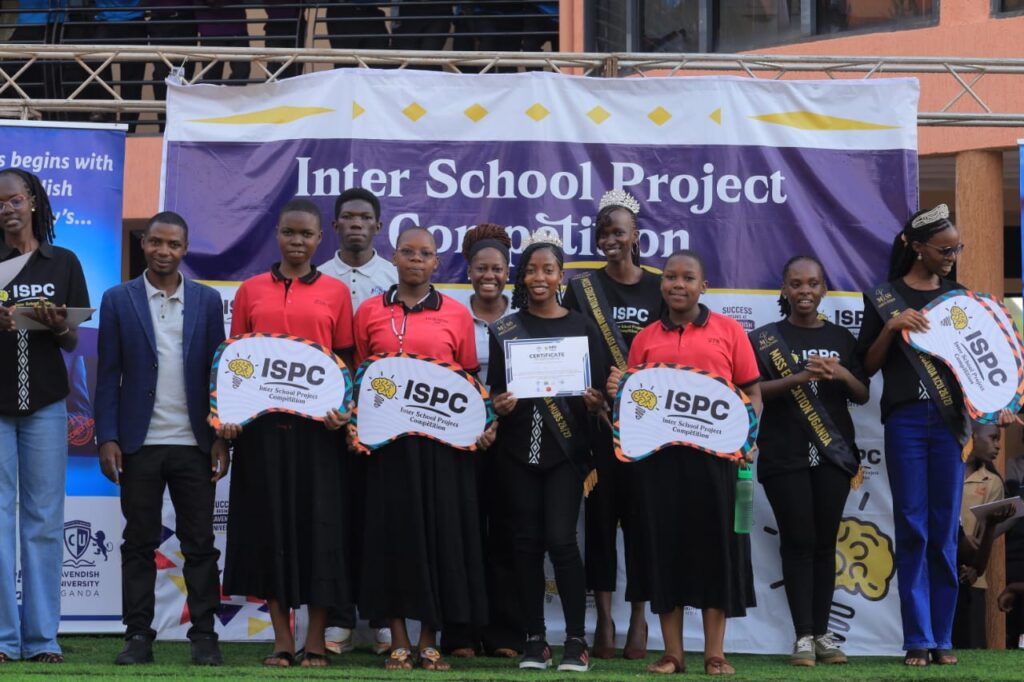
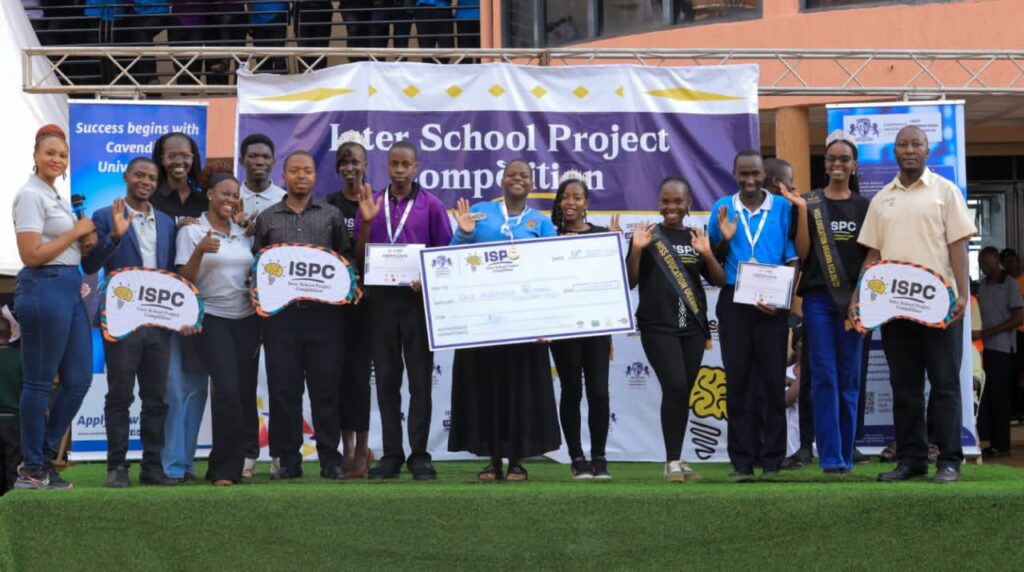
The day reached its high point with the announcement of the results. Cheers rang out across the grounds as the top ten projects were read aloud one by one, and the young innovators behind them stepped forward to collect their trophies and accolades. By around 5:00 in the afternoon the event had wrapped up, leaving students inspired, energised and, if the mood on the grounds was anything to go by, genuinely convinced that the next big technological breakthrough might just come from one of them.
Published: July 13th, 2026